Google Ads Budget for Therapists: How Do You Know If Yours Is Too Low to Compete?
Many therapists launch their first Google Ads campaign with a conservative budget, five or ten dollars a day, intending to "test" the platform before committing more money. It's a reasonable instinct, but it's also one of the most common reasons Google Ads for therapists campaigns fail: when a Google Ads budget is too low, the campaign never generates enough data for Google's system to work properly.
This guide walks through what happens when your budget is underfunded, the specific signs to look for in your account, and how to calculate a realistic, competitive budget for your practice based on your market and your client lifetime value.
What Happens When a Google Ads Budget Is Too Low
Google Ads runs on an auction system: you bid for a click, and you pay every time someone clicks your ad. In the mental health industry, cost per click can range from three dollars to over fifteen dollars, depending on your location and specialty.
If your daily budget is ten dollars and the average cost per click in your area is five dollars, your ad turns off after just two clicks. Two clicks a day isn't enough to generate consistent inquiries, let alone enough data for Google's algorithm to learn from.
That's the deeper problem: Google uses machine learning to optimize every campaign, and the algorithm needs to see conversions, form submissions, phone calls, to understand who's most likely to become a client. If your budget only allows for a handful of clicks a day, it can take weeks or months to get a single conversion. The campaign stays stuck in a perpetual learning phase, and your ads never become optimized or visible to the people searching for help.
Signs Your Google Ads Budget Is Too Low for Your Therapy Practice
If your campaign is underperforming, two metrics in your Google Ads account will tell you whether budget is the root cause.
High Impression Share Lost to Budget
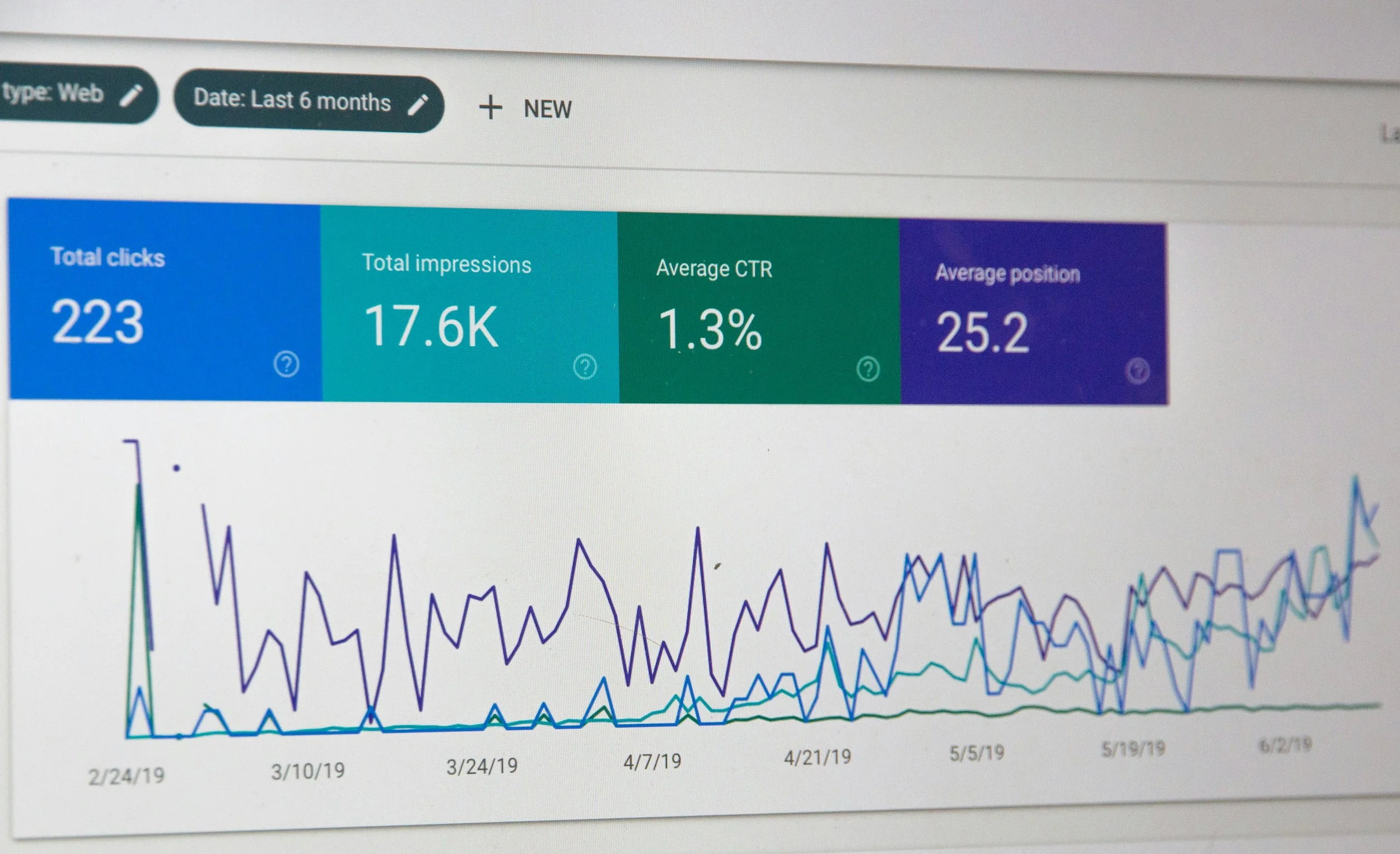
In your report columns, look for Search Lost Impression Share (budget), a metric defined by Google Ads Help as the percentage of time your ads weren't shown because your budget ran out before your ads exhausted eligible auctions. If this number is high, your ads are being kept out of the auction for a large share of relevant searches.
For example, a budget loss of sixty percent means your ads are missing more than half of the daily searches in your area simply because your funds ran out before the day was over.
High Cost Per Click with No Leads
If you're paying for clicks but generating no leads over a thirty-day period, your daily budget may not be high enough to cross the threshold needed for a conversion. When you're only getting one or two clicks a day, those clicks are spread too thin to consistently produce an inquiry.
Minimum Viable Google Ads Budgets by Market Size
A competitive budget depends largely on where your practice is located. Larger cities have more therapists competing for the same search terms, which drives up cost per click.
Small Towns and Rural Areas
In areas with low competition and a smaller population, a monthly budget of $300–$500 (about $10–$17 per day) is often sufficient to capture local search volume.
Mid-Sized Cities and Metropolitan Suburbs
In moderately competitive markets, plan for a minimum of $600–$800 per month (about $20–$27 per day) to generate enough clicks to feed the algorithm.
Major Urban Areas
In highly competitive markets like New York City, Los Angeles, or Chicago, cost per click for competitive keywords can easily run $8–$20. A minimum budget of $1,000–$1,500 per month (about $34–$50 per day) is typically required to gain traction and see consistent inquiries.

How to Calculate a Realistic Google Ads Budget for Your Practice
To adjust your spend with confidence, ground your budget in client lifetime value. If your average client attends ten sessions at $150 per session, that client represents $1,500 in revenue. In an optimized campaign, the average cost to acquire a new client through Google Ads typically ranges from $100 to $250.
If you spend $200 to acquire a client who generates $1,500 in revenue, your advertising is highly profitable. Viewing your budget as an acquisition cost — rather than an ongoing expense — makes it easier to allocate the funds needed to make the campaign work.

Volume matters too. If your budget only covers two clicks a day, you won't get enough traffic to create enough opportunities for leads. As a rule of thumb, if your campaign can't reach 100 clicks a month, and cost per click can't be lowered further, the budget needs to be raised.
Running Google Ads with an insufficient budget prevents the platform from working as intended. Without enough daily clicks, the algorithm can't learn, and your ads remain invisible to the majority of people searching for help.
Frequently Asked Questions
-
It depends on your market: roughly $300–$500/month in small towns, $600–$800/month in mid-sized cities, and $1,000–$1,500/month in major urban areas.
-
Check your Search Lost Impression Share (budget) metric and your monthly click volume. A high lost-impression-share percentage or fewer than 100 clicks a month with no leads are both signs your budget is limiting performance.
-
Not necessarily — the right budget is the one that generates enough clicks and conversions for Google's algorithm to optimize your campaign, calculated against what a new client is actually worth to your practice.
Get an Expert Review of Your Google Ads Budget
If you suspect your budget is too low, or you'd like an expert to review your campaign metrics, reach out to RevKey. We help therapists evaluate their ad spend, identify where budget is being wasted, and build competitive Google Ads campaigns for therapists that generate consistent clients. You may also want to read our related guide on understanding cost per click for mental health practices or our breakdown of Google Ads ROI for therapists for more on turning ad spend into booked sessions. Contact us today to learn how to optimize your advertising budget for real growth.
About the Author
Sam D’Andrea, Google Ads Account Manager
Sam D’Andrea is a digital marketing strategist at RevKey, specializing in Google Ads, paid media optimization, and data-driven growth strategies. With hands-on experience managing and testing evolving campaign types. Sam focuses on helping businesses generate higher-quality leads through smart automation, strong audience signals, and accurate conversion tracking. At RevKey, Sam works closely with clients to translate Google’s constant platform changes into clear, effective advertising strategies that drive real results.