Why We’re Stepping Away From Call Tracking Metrics (And What You Should Know if You Use Google Ads)

As a marketing company who works heavily with Google Ads, we’ve used call tracking metrics for years to help businesses understand which ads lead to real phone calls and meaningful conversations.
Call tracking has played a big role in shaping strategy, improving campaigns, and giving clearer insight into lead quality.
However, after careful consideration, our company has made the decision to discontinue offering Call Tracking Metrics (CTM) services. This shift comes after evaluating long-term client needs, platform complexities, and the evolving direction of our service offerings.
Even though we won’t be providing CTM moving forward, we still want to make sure our clients and readers understand what call tracking metrics are, how they integrate with Google Ads, and the pros and cons—so you can make the best decisions for your continued marketing efforts.
What Are Call Tracking Metrics?
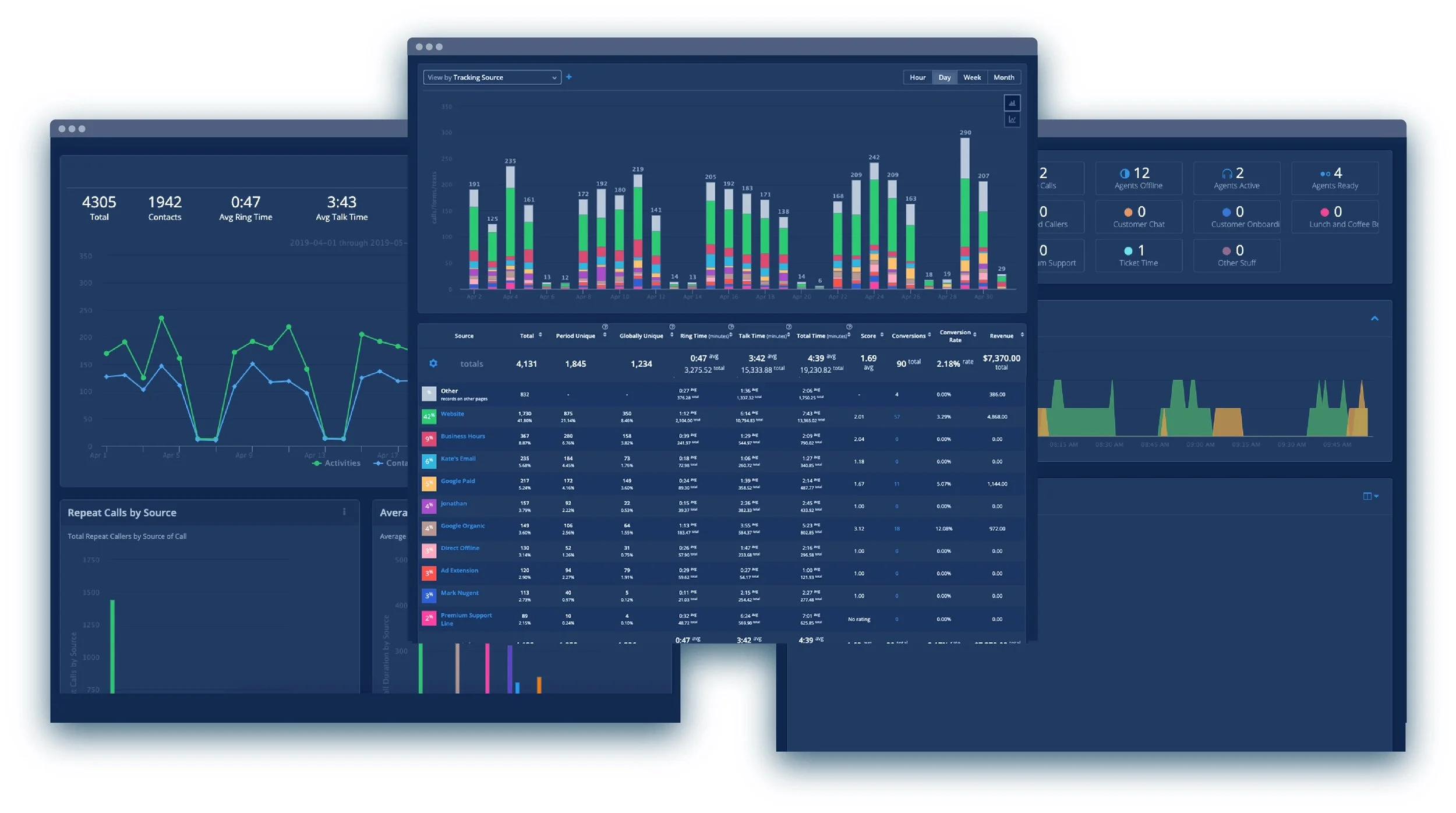
Call tracking metrics are tools that help identify which marketing sources drive phone calls. Instead of every call appearing the same, call tracking uses unique phone numbers to show whether a call came from:
A specific Google Ads campaign
A keyword
A landing page
Organic search
Or another traffic source
Most platforms offer insights like call duration, caller information, call recordings, and even lead qualification tools.
These features can be useful for businesses with a high call volume or those who rely heavily on phone-based leads.
How Call Tracking Metrics Work With Google Ads
Google Ads can generate high-value phone calls, especially for service-based businesses. Call tracking platforms integrate with Google Ads in a few key ways:
1. Dynamic Number Insertion (DNI)
This places a unique tracking number on your site for each ad click, helping you see which keyword or campaign led to the call.
2. Importing Conversions Into Google Ads
Platforms can send call conversions—like qualified leads or sales-ready calls—directly into Google Ads for optimization.
3. Keyword-Level Attribution
You can see which keywords drive the best phone leads, not just form fills.
4. Call Recording + Lead Quality Review
Some businesses use recordings to qualify leads or improve their customer service process.
These features can be powerful, but they also come with responsibilities, costs, and operational burdens—which leads to why we’re stepping away from offering CTM.
Why We’re No Longer Offering Call Tracking Metrics
After years of supporting clients with CTM, we’ve seen incredible value—but also increasing challenges, including:
• Technical Setup & Maintenance
DNI, scripts, and integrations often require ongoing troubleshooting. Even minor errors can cause tracking numbers to appear where they shouldn’t or fail to record data properly.
• Rising Complexity for Clients
Many clients found the data overwhelming or difficult to act on, especially when they didn’t have internal time to review call recordings, tags, or lead quality metrics.
• NAP Consistency Considerations for SEO
Call tracking can complicate local SEO efforts if not implemented carefully, potentially impacting listings and organic visibility.
• Increasing Platform Costs
Between monthly fees, usage fees, tracking numbers, and advanced features, the cost structure has become harder to justify for many small and mid-sized businesses.
• A Shift in Our Service Focus
We want to dedicate our time and resources to areas where clients see the biggest impact, and CTM has steadily become less aligned with those priorities.
For these reasons, we made the decision to sunset call tracking services on December 31.
The Pros & Cons of Using Call Tracking Metrics (If You Choose to Continue)
Even though we won’t be offering CTM, here’s a balanced look at the pros and cons so you can evaluate whether you’d still like to use a third-party provider.
✔ Pros
More accurate attribution for phone calls
Better insights for Google Ads optimization
Ability to review call quality
Data on missed calls
Multi-channel reporting
✘ Cons
Added cost
Technical setup and ongoing maintenance
Potential SEO complications
Overwhelming data for busy teams
Privacy and compliance requirements
If you decide to continue with call tracking, most providers offer direct support and onboarding to help with setup and maintenance.
Moving Forward
While we’re no longer offering Call Tracking Metrics, our goal is to continue helping clients make smart, data-driven decisions—especially when it comes to Google Ads. We remain fully committed to optimizing campaigns, improving lead quality, and supporting growth in the most efficient ways possible.
If you’d like recommendations for third-party call tracking platforms or guidance on how to transition your account, we’re more than happy to help. For more information you can reach out to your account manager or click the button below.
About the Author
Alissa Blocker, RevKey Marketing & Business Manager
Alissa is a digital marketing strategist and content creator with 8+ years of experience helping brands grow through data-driven storytelling. She specializes in Marketing Automation, analytics, and user behavior insights, and is passionate about turning complex ideas into actionable strategies.